Basement Moisture Problems: What to Know Before Finishing
Finishing a basement can add usable space to your home—but moisture issues can quickly turn that investment into a problem if they aren’t addressed first.
Why Basement Moisture Is a Real Concern
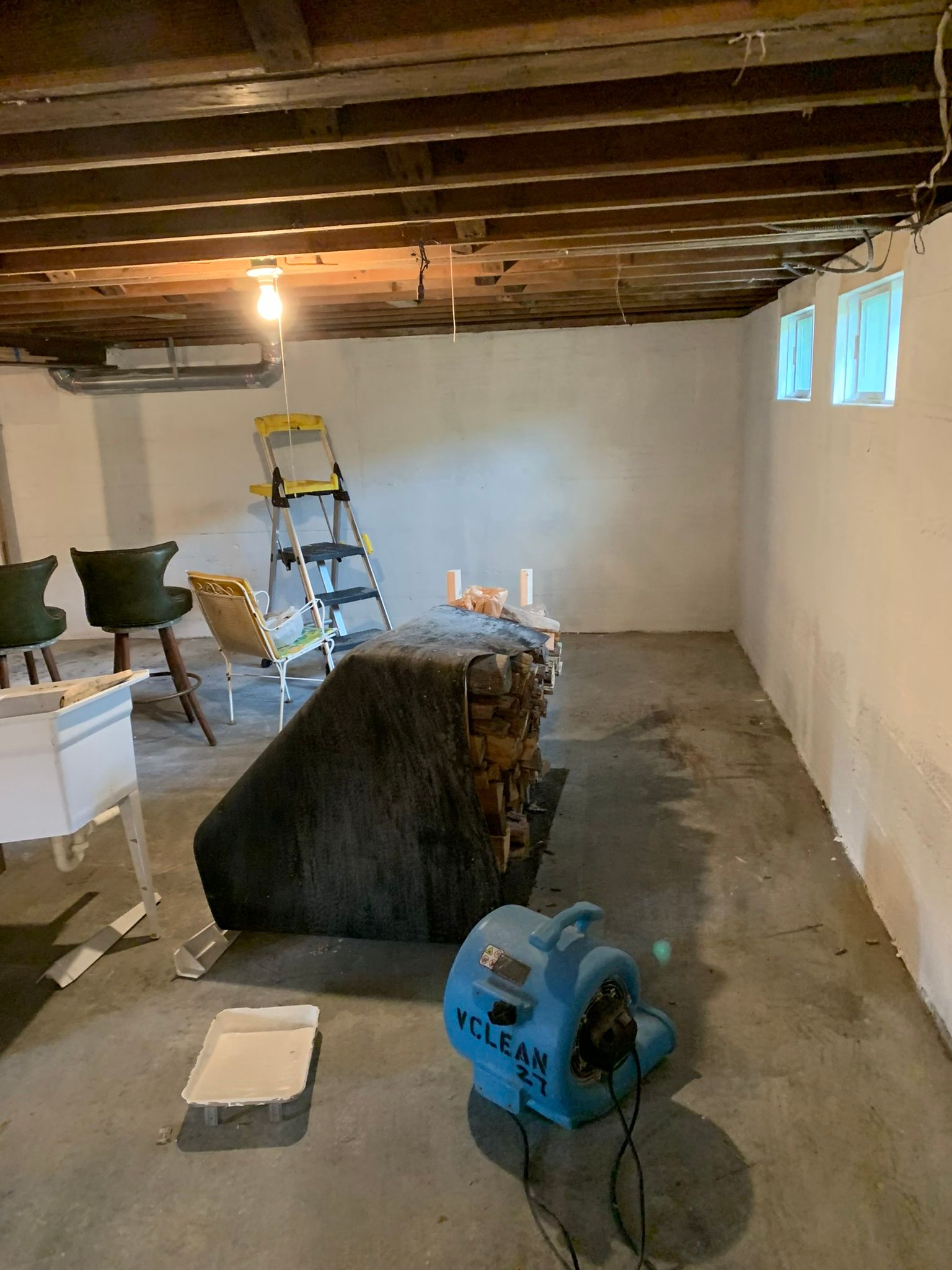
Basements sit below grade, which means they’re naturally exposed to ground moisture, humidity, and temperature differences. Even if your basement “looks dry,” that doesn’t always mean it’s ready to be finished.
Moisture problems can lead to:
- Mold growth behind walls
- Warped flooring or damaged materials
- Musty odors that don’t go away
- Failed inspections during finishing projects
Before starting any basement finishing project in Glen Burnie or Anne Arundel County, it’s important to understand how moisture behaves in below-grade spaces.
Common Signs of Moisture Problems
Some issues are obvious. Others are easy to miss. Look for:
- Damp or musty smells
- Efflorescence (white powder on concrete walls)
- Water stains on floors or walls
- Peeling paint or bubbling surfaces
- Condensation on pipes or walls
Even small signs can indicate a larger issue behind the surface.
Where Basement Moisture Comes From
Understanding the source helps determine the right solution.
Groundwater Pressure
Water in the soil pushes against foundation walls and can seep through cracks.
Humidity and Condensation
Warm air meeting cooler basement surfaces creates condensation over time.
Improper Drainage
Poor grading or gutter issues can direct water toward the foundation.
Cracks and Openings
Small foundation cracks or gaps allow moisture intrusion.
Most basements deal with more than one of these factors at the same time.
Why Finishing Too Early Causes Problems
Finishing a basement without addressing moisture first can trap water behind walls and flooring. Once materials like drywall or flooring are installed, moisture has nowhere to go.
This can lead to:
- Hidden mold growth
- Damage to framing and finishes
- Costly tear-outs and repairs
- Inspection failures if the project doesn’t meet code
That’s why basement projects should be planned with moisture conditions in mind—not just layout and design.
How to Prepare a Basement Before Finishing
A proper approach focuses on prevention and long-term performance.
- Identify and address any active water intrusion
- Evaluate foundation condition and sealing needs
- Improve exterior drainage if needed
- Select materials suited for below-grade environments
- Plan for ventilation and airflow
These steps help create a stable environment before construction begins.
Materials Matter in Basement Construction
Not all materials perform the same in a basement. Choosing the right systems can help reduce risk:
- Moisture-resistant wall systems
- Flooring designed for below-grade use
- Proper insulation methods
- Finishes that can handle humidity changes
Material selection should match the conditions of the space—not just appearance.
Code and Inspection Considerations
Moisture control isn’t just a best practice—it’s often tied to building requirements. Basement finishing projects in Maryland may involve inspections that ensure the space is safe and built correctly. Planning for moisture and code requirements at the same time helps avoid delays or rework.
Make Sure Your Basement Is Ready Before You Finish It
If you’re planning to finish your basement, the first step isn’t drywall or flooring—it’s making sure the space is ready. Addressing moisture early helps protect your investment and ensures the finished space performs the way it should.
If you’re unsure about your basement conditions, an in-home consultation can help you evaluate the space and outline next steps.